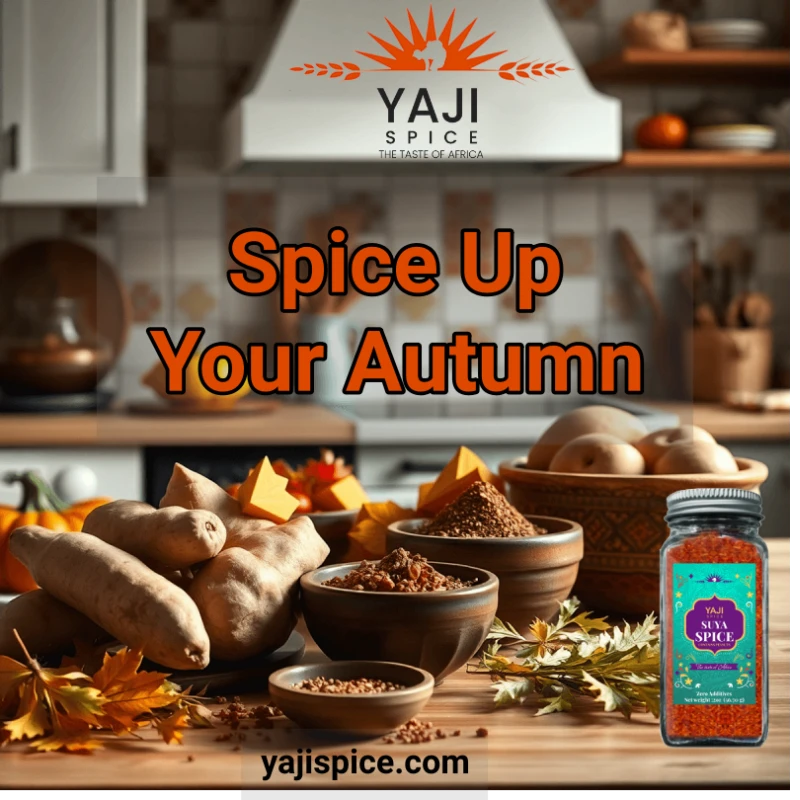
Celebrate Indigenous Peoples Day with Bold Flavors
- Celebrate Indigenous Peoples Day with Yaji Spice by exploring authentic African flavors that honor traditional food heritage.
- Connect with Indigenous food traditions by using West African Spice to enrich your recipes with bold, cultural flavors.
- Enhance your recipes with the bold, authentic flavors of Yaji Spice, connecting to rich culinary traditions on Indigenous Peoples Day.
Enjoy our West African Spices collection!!
Are you looking for a way to pay tribute to the diverse contributions of indigenous communities? Since today is Indigenous Peoples Day, it is the perfect time to reflect on the rich histories, cultures, and traditions of these communities. Consider participating in activities that honor their heritage.
This year, bring the essence of African culinary traditions to your table with Yaji Spice. Known for its bold, vibrant flavors, Yaji Spice connects us to generations of rich food history, making every dish a flavorful tribute to cultural roots. Explore our online store for West African spices, and find inspiration in your cooking. For example, you could read some poetry or literature about the indigenous experience. Or you could:
- do some research into indigenous communities
- delve into the oral traditions of native peoples
- learn an indigenous language
- go to an event celebrating an indigenous culture
- support indigenous-owned businesses or organizations
One special way to celebrate indigenous traditions is by diving deep into culinary heritage. Spices, in particular, are core in bringing communities together. Let’s take a closer look at the story of indigenous culture and the way it interacts with spices. Being a West African spices store, we’ll focus specifically on West Africa. Through the use of traditional ingredients and recipes, we can uncover how these spices illustrate the rich history and diverse cultures of the region.
The Indigenous Origins of West African Spices
Did you know that West Africa has a rich spice heritage? Indigenous communities grew spices long before Europeans set foot in Africa. These spices played an essential role in not only local cuisine but also folk remedies. Spices like grains of paradise and African nutmeg played the dual role as food and as traditional medicine. This rich spice legacy continues to influence the culinary and traditional medicine practices of West Africa today.
West African spices like grains of paradise were at the core of regional food identity. Grains of paradise have a woody, peppery, herby flavor with a warm subtle heat. They have been cultivated by indigenous communities for centuries. Before Europeans arrived on the continent, the fiery spice was widely traded across trans-Saharan routes. This history of trade and cultivation highlights the central role of spices shaping local cuisine but also cultural exchanges throughout the region.
Similarly, the use of selim pepper dates to ancient times, primarily in West and Central Africa. It was valued for its intense peppery flavor. The rich aroma of the hull is reminiscent of black cardamom, with hints of nutmeg, cloves and even honeysuckle. Grains of selim is also valued for its healing attributes. It’s used as an anti-inflammatory and can help fight against diabetes. Selim pepper is not only a staple of local cuisine, but also a traditional medicine.
The Spread of Indigenous Knowledge
The history of these spices is not just limited to West Africa. As indigenous communities traded with nearby regions, their spices began to circulate in North Africa and the Middle East. Ultimately, they extended to Europe and even the Americas. This exchange also cleared the way for sharing indigenous knowledge and agricultural techniques. As a result, these spices enriched a variety of culinary practices while also encouraging cultural interactions and collaborations worldwide.
One dark chapter in history is the transatlantic slave trade. The transatlantic slave trade displaced millions of West Africans to the Americas. Despite the trauma of the slave trade, these Africans brought the flavors and culinary traditions of their homelands with them. They combined West African spices with indigenous crops like cassava, maize, and peanuts to create new dishes. These culinary creations have since become core in African American and Caribbean cuisine.
On this Indigenous Peoples Day, we honor both the roots of West African spices and the resilience and strength of the communities that have passed them down. By cultivating and using these spices, West Africans have honored their cultural heritage and played an important role in the global food landscape. Spices like grains of paradise are now available on the global market and can be purchased with a simple few clicks. This accessibility allows everyone to experience the flavors and cultural significance of these indigenous ingredients.
Ways to Honor Indigenous Spice Cultures
- Educate Yourself about the Origins of Your Spices. All spices have an origin story. Take the time to research your spice’s story. Where was it grown? How was it harvested? Who processed it for you? For instance, did you know that iru, or fermented locust bean, is not grown on a farm? Instead, the women in Africa go out to the wild to harvest it. Simple stories like this can connect you to your food and the people who made it.
- Support Indigenous and Small-Scale Farmers. When you purchase spices from Yaji Spice, you’re directly impacting the lives of indigenous and small-scale farmers in Nigeria. More specifically, your support goes to women farmers who have families to care for. Your support helps mothers enroll their children in school. Your support helps mothers get much-needed medical care for their children. And finally, your support helps mothers save for their children’s futures.
- Explore Recipes That Celebrate Indigenous Flavors. One way you can honor indigenous spice cultures is by exploring recipes that celebrate indigenous flavors. For a mini collection of Nigerian recipes, check out our recipes page. It includes the vegetarian option of Coconut Jollof Rice or several meat-based options. Or if you’re interested in learning more about Nigerian dishes and how they taste, visit our blog post on the Nigerian Independence Day. Engaging with these recipes not only enhances your culinary experience but also increases your awareness of each dish’s cultural importance.
Honoring Indigenous Peoples Through Food
Did you know that one way you can honor indigenous people is through food? Food is an important marker of cultural identity, history and lived experience. In indigenous communities, food is also core to connecting with family and friends. By learning about the spices we use, we can honor the people who took such care to grow, cultivate, and harvest them. This Indigenous Peoples Day let’s pay tribute to the contributions of indigenous communities by embracing their culinary traditions and celebrating the way they have shaped global flavors. Come and join us to celebrate this day with our variety of spices and blends !!
Please note: While no nuts are added to the Nut-Free Suya Spice Blend, Yaji Spice operates in facilities that may process nuts and therefore cannot guarantee the absence of trace allergens. Yaji Spice bears no responsibility for any allergic reactions or related incidents.